Stress: The Invisible Yield Robber
Written by Ellie (Clear).
Published on May 27, 2026
Written By: Anthony Roth, Greenhouse Research Manager, QLF Inc.
Stress is often difficult to see or measure at moderate levels, yet it significantly impacts crop performance and yield. Just like people, crops deal with various stressors every day. Usually, it is not a single factor that causes the most damage, but rather the combination and persistence of multiple stressors. While humans can move to avoid a stressful environment, plants are stationary. However, we do share one vital stress mitigation tool: nutrition. Proper nutrition is essential for creating the molecules that support physiological, biochemical, and structural processes, helping both people and plants stay strong, recover faster, and remain productive.
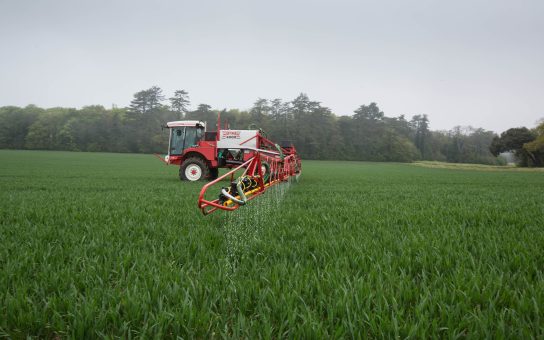
One stressor that often goes overlooked is herbicide application. Even when a crop is bred to survive an application, the process causes metabolic disruption that requires additional energy and nutrition to manage. During this time, nutrients like manganese and iron often become limiting factors. Root growth and exudates are reduced as the plant diverts its energy toward detoxifying the herbicide instead of building yield.
Plants follow a specific metabolic process to detoxify these chemicals. First, they must convert the herbicide into less toxic molecules by using enzymes to break them down. The second step is conjugation, where the plant chemically modifies the molecules to make them more soluble. By chelating them with sugars and amino acids, the plant can more easily transport the herbicide molecules to storage. Finally, these molecules are deposited into vacuoles—specialized storage vessels that act like a closet to isolate waste—or into the cellulose of cell walls.
This multi-step detoxification process demands significant energy and key nutrients. When resources are diverted away from photosynthesis and toward survival, the result is often a “yellow flash” or yield drag. Essentially, the plant stops capturing sunlight and growing so it can focus on cleaning its internal system.
To combat this, QLF conducts annual trials to better understand how molasses-based fertilizers benefit plants and soil biology. We consistently observe that crops treated with L-CBF BOOST as part of a spray program show visibly less stress and higher yields. (View Trial Results HERE) In a recent Beck’s PFR soya bean stress mitigation study, L-CBF BOOST performed exceptionally well, resulting in a 0.2mt/ha increase over the control and a return on investment of over £18 per hectare. (View the trial directly from Beck’s HERE) The visual differences are clear: plants treated with L-CBF BOOST and Flexstar maintain a deeper green colour, show less leaf injury, and appear overall healthier.
To build on these field observations, herbicide metabolism is currently being studied at the QLF greenhouse in Dodgeville, Wisconsin. Researchers are measuring exactly how much herbicide a plant absorbs and how quickly it can break it down. Preliminary results indicate better uptake and faster metabolism when L-CBF BOOST is included in the program. By delivering readily available carbon and nutrition exactly when the plant needs it most, L-CBF BOOST helps crops handle herbicide stress more efficiently. This management strategy helps farmers avoid yield loss from herbicide exposure and turns potential drag into measurable bushel gains.